
Sugarcane farmers across Punjab may finally see relief as the provincial government initiates a comprehensive crackdown on illegal middlemen operating within the supply chain. Authorities say this aggressive action is necessary because the Sugarcane market has long been affected by exploitation, artificial price manipulation, and unfair deductions. With the new campaign now in motion, key departments have been instructed to monitor purchase centers, verify weighbridge records, and restrict unlicensed traders from interfering in the Sugarcane procurement process.
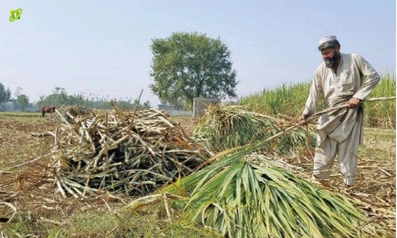
Officials revealed that the crackdown comes after years of complaints from growers who argued that illegal brokers were underpaying them for their Sugarcane, creating unnecessary hurdles, and profiting illegally. By enforcing stricter oversight, the government aims to restore transparency and ensure that Sugarcane farmers receive the official support price without obstruction. The initiative is also designed to safeguard mills from fake receipts and inaccurate supply reporting—issues that have long complicated the province’s Sugarcane economy.
Teams sent to different districts are doing surprise checks at procurement centers, looking over transport documents, and going over payment records. The government stated that their priority is to eliminate all unauthorized middlemen who divert or delay Sugarcane deliveries for personal gain. Early reports indicate several detentions and fines as enforcement agencies intensify their operations.
How the Sugarcane Crackdown Strengthens the Market and Supports Farmers
Authorities say the current enforcement drive is a major milestone in improving Pakistan’s agricultural system, particularly in the sector. By blocking illegal intermediaries, Punjab hopes to build a simplified purchase framework where growers deal directly with sugar mills. This approach reduces corruption, stabilizes prices, and increases farmer confidence, ensuring that production remains financially sustainable.
Another major priority is accurate weighing. Many farmers complained that unverified middlemen manipulated weight measurements, leading to significant income losses. With the new controls, certified staff will keep an eye on weighbridges to make sure that every kilogram of sugarcane is recorded correctly. This measure is expected to encourage timely mill crushing, which directly affects both sugar yield and market consistency.
Farmers’ associations have welcomed the move, noting that a fairer Sugarcane system will encourage more growers to expand cultivation. Many believe the crackdown will discourage hoarding, prevent artificial scarcity, and reduce the influence of cartels. The government also plans to introduce stricter licensing rules, digital tracking, and online payment systems to ensure that Sugarcane producers are paid promptly and transparently.
The district administrations, food departments, and mandi inspectors are all working together to keep the crackdown going during the 2024–25 crushing season. Officials say they will keep their zero-tolerance policy in place as long as illegal operators try to mess up supply chains. The long-term goal is a regulated Sugarcane market where pricing remains stable from field to factory.
In the end, Punjab’s fight against illegal middlemen is a big step forward for the industry. By removing unlicensed brokers, improving transparency, and enforcing fair practices, the government aims to protect growers and restore order to the market. This crackdown could change how it is bought and sold across Punjab if there is more oversight, better monitoring, and strong administrative support. This would bring long-awaited fairness to one of Pakistan’s most important crops.
Follow the latest News Updates only on Daily Net!